
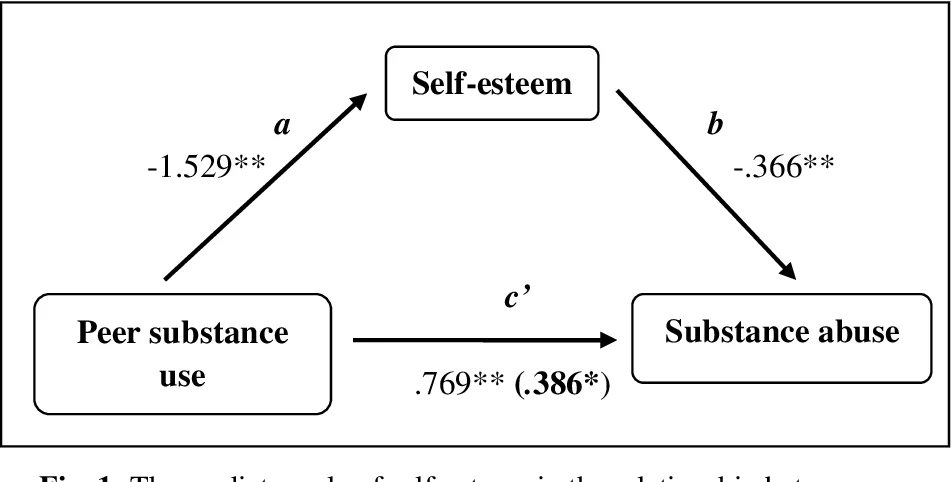

A 2008 article on adolescent substance abuse prevention argued that lower self-esteem goes with more substance use, but a link like that does not show that one causes the other. Separately, the National Institute on Drug Abuse (NIDA) describes teen substance use as shaped by many influences, including brain development, early first use and life transitions.
Is low self-esteem linked to substance use in teens?
The 2008 article tied lower self-esteem to more substance use in teens, but a link is not proof that one causes the other. Self-esteem is how a person evaluates their own worth; what self-esteem means differs from confidence, which is usually tied to a specific task.
Researchers often measure it with questionnaires such as the Rosenberg scale, which asks people to agree or disagree with short statements about their overall self-regard. Those scores can then be compared with reports of alcohol, tobacco or drug use.
Cause is hard to untangle because a teen's feelings and habits shape each other over time. NIDA notes that differences in brain structure appeared to exist before substance use in a 2024 research summary. That finding suggests some risk may be in place before a first drink or cigarette.
What do risk and protective factors include?
Risk factors raise the chance that a teen will use substances; protective factors lower it. No single factor decides the outcome, and most teens have a mix of both.
NIDA points to several patterns:
- Early first use. Early use of alcohol and other substances can increase the likelihood of going on to use other drugs.
- Transitions. NIDA says risk of drug use increases greatly during transitions. For teens, these include moving, a family divorce, or changing schools, such as the step from elementary to middle school or from high school to college or work.
- A developing brain. Adolescence is a period of growing independence, exploration and risk-taking, when exposure to substances can significantly affect brain development.
Self-esteem sits among the personal and social factors that shape self-esteem, such as family, school and friendships. The effects of low self-esteem on mood and daily life are a separate question from whether it leads to substance use.
How do adolescent substance use prevention programs work?
Prevention programs work by lowering risk factors and strengthening protective ones before problems begin. NIDA says research-based programs "can significantly reduce early use of tobacco, alcohol, and other drugs," and it defines them as programs designed on current scientific evidence, thoroughly tested and shown to produce positive results.
NIDA groups programs into three types, based on who receives them:
| Type | Who receives it | NIDA's description |
|---|---|---|
| Universal | All children in a setting, such as a school or community | Addresses risk and protective factors common to all children in that setting |
| Selective | Children and teens with specific factors that raise their risk | Aimed at groups with factors that put them at increased risk of drug use |
| Indicated | Youth who have already started using drugs | Designed for youth who have already started using drugs |
What did the 2008 article argue?
A 2008 paper argued that stronger self-esteem goes with less experimentation, and that building it inside school programs would have advantages. The authors were from the Department of Health Professions at Montclair State University.
Its main idea was that schools could treat self-esteem as a lever for prevention, not only a side benefit. NIDA, by contrast, lists brain development, early first use and life transitions among the factors behind teen substance use.
Where to find help
If a teen or family member is struggling with substance use or low mood, a licensed health professional can help. In the U.S., the 988 Suicide & Crisis Lifeline is available by call or text at 988. The SAMHSA National Helpline offers free, confidential referrals at 1-800-662-4357.
The teen years bring many changes in how people see themselves, and self-esteem changes through adolescence are part of how that period unfolds.
FAQ
Does low self-esteem cause drug use in teens? Not necessarily. A 2008 article tied lower self-esteem to more substance use, but an association does not show that low self-esteem causes drug use.
What are risk factors for teen substance use? NIDA lists early first use, transitions such as moving or changing schools, and a still-developing brain, among others.
Can school programs prevent teen substance use? NIDA says research-based programs can significantly reduce early use of tobacco, alcohol and other drugs.
What is the difference between self-esteem and confidence? Self-esteem is a person's overall sense of worth; confidence usually refers to belief in handling a specific task.
Sources
- National Institute on Drug Abuse, Adolescent Brain (research topics page).
- National Institute on Drug Abuse, Preventing Drug Misuse and Addiction: The Best Strategy, in Drugs, Brains, and Behavior: The Science of Addiction.
This page is general information, not medical or mental health advice.
Keep reading