1 year ago · Updated 1 year ago
Introduction
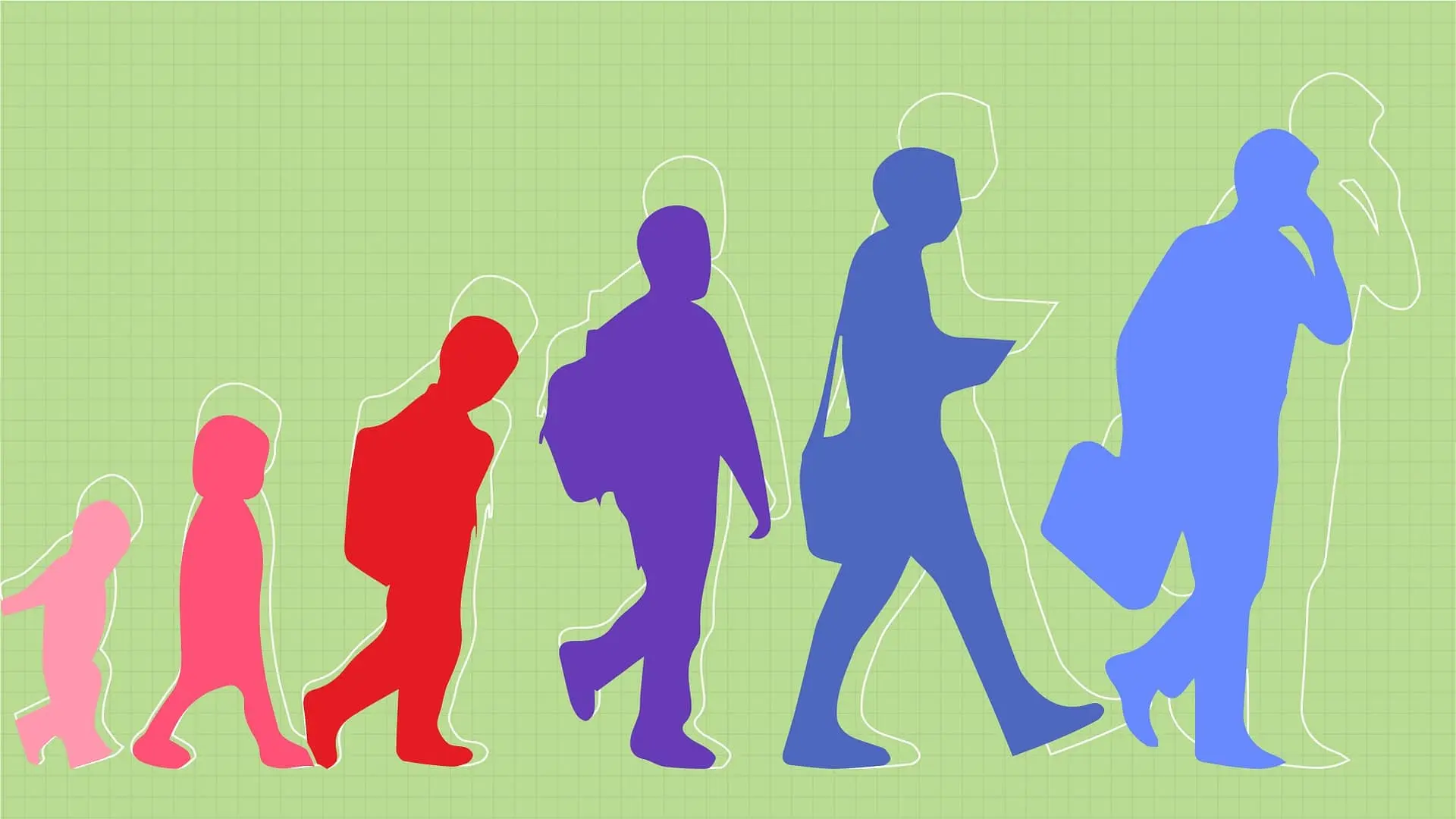
Self-esteem is not a fixed trait—it changes as we grow, shaped by our experiences, relationships, and cultural environment. Understanding self-esteem across the lifespan helps us see how self-worth develops in children, fluctuates during adolescence, stabilizes in adulthood, and transforms in later life.
This article explores each stage of life, revealing psychological insights and practical tips for fostering healthy self esteem at every age.
Self-Esteem in Childhood
Childhood is the foundation for self-esteem. During early years, children learn their value from the feedback they receive from parents, teachers, and peers.
Factors influencing self esteem in childhood:
- Parental support → Loving, consistent care fosters security and confidence.
- Exploration and play → Mastering new skills builds competence.
- Encouragement vs. criticism → Positive reinforcement strengthens self-worth, while harsh criticism can lower it.
Research shows that children who feel valued at home are more resilient when facing challenges at school or in social settings.
Self-Esteem in Adolescence
Adolescence is often the most turbulent period for self-esteem. Hormonal changes, identity formation, and peer pressure create emotional highs and lows.
Key influences during adolescence:
- Body image → Teens may compare themselves with unrealistic media standards.
- Peer acceptance → Friendships and social belonging play a critical role.
- Academic performance → Success or failure in school can shape self-worth.
Adolescents who develop a strong sense of identity and supportive friendships are more likely to maintain healthy self esteem into adulthood.
Self Esteem in Early Adulthood
In early adulthood, self-esteem typically increases as individuals gain independence and build life experiences.
What supports sel esteem in early adulthood:
- Career development → Achieving goals reinforces competence.
- Romantic relationships → Positive, supportive partnerships boost confidence.
- Financial independence → Autonomy enhances feelings of control.
However, challenges like job stress, breakups, or comparison with peers can temporarily reduce self esteem.
Self-Esteem in Middle Adulthood
Middle adulthood is often marked by stability, but also reflection. Research suggests that self esteem peaks in midlife.
Contributing factors:
- Professional mastery → Years of experience build confidence.
- Family roles → Parenting or mentoring creates a sense of purpose.
- Life balance → Many people achieve greater acceptance of strengths and weaknesses.
Yet, midlife crises or career stagnation can create dips in self esteem.

Self-Esteem in Older Adulthood
In later years, self-esteem may decline due to physical changes, retirement, or loss of social roles. However, older adults often develop wisdom and resilience that support a positive sense of self.
What affects self-esteem in older adulthood:
- Health and independence → Declines can challenge confidence.
- Social connections → Loneliness often lowers self-worth.
- Life reflection → A sense of accomplishment supports self esteem, while regrets can reduce it.
Programs that encourage social engagement, continued learning, and physical activity are vital for maintaining self esteem in old age.
Self-esteem across the lifespan is also shaped by cultural values.
- In individualistic cultures (USA, UK), self-worth often depends on personal achievement.
- In collectivist cultures, self esteem is closely linked to family, community, and harmony.
Understanding these cultural dimensions helps explain variations in self esteem trajectories worldwide.
Practical Tips to Foster Healthy Self-Esteem at Any Age
- Children → Praise effort, not just results.
- Teens → Encourage identity exploration without judgment.
- Young adults → Focus on growth rather than comparison.
- Midlife → Embrace life balance and self-acceptance.
- Older adults → Stay active, socially engaged, and practice gratitude.
Conclusion
Self-esteem evolves throughout life, reflecting the challenges and opportunities of each stage. By recognizing how self-worth changes across the lifespan, we can better support ourselves and others in cultivating lasting confidence.
Whether nurturing a child’s first achievements, guiding a teen through identity struggles, or encouraging older adults to embrace wisdom, self esteem is a journey that never stops growing.
FAQs About Self-Esteem Across the Lifespan
1. At what age is self esteem the highest?
Studies show that self esteem often peaks in midlife, around ages 40–60.
2. Why does self-esteem drop in old age?
Declining health, loss of independence, and reduced social roles can contribute to lower self esteem.
3. How can parents build self esteem in children?
Providing unconditional love, encouragement, and opportunities to succeed helps children develop strong self-worth.
4. Does self esteem always decline in old age?
Not necessarily. Many older adults maintain high self esteem through social engagement, gratitude, and self-acceptance.
5. How do cultural differences affect self-esteem?
Individualistic cultures value personal achievement, while collectivist cultures emphasize belonging and relationships, shaping self esteem differently.