
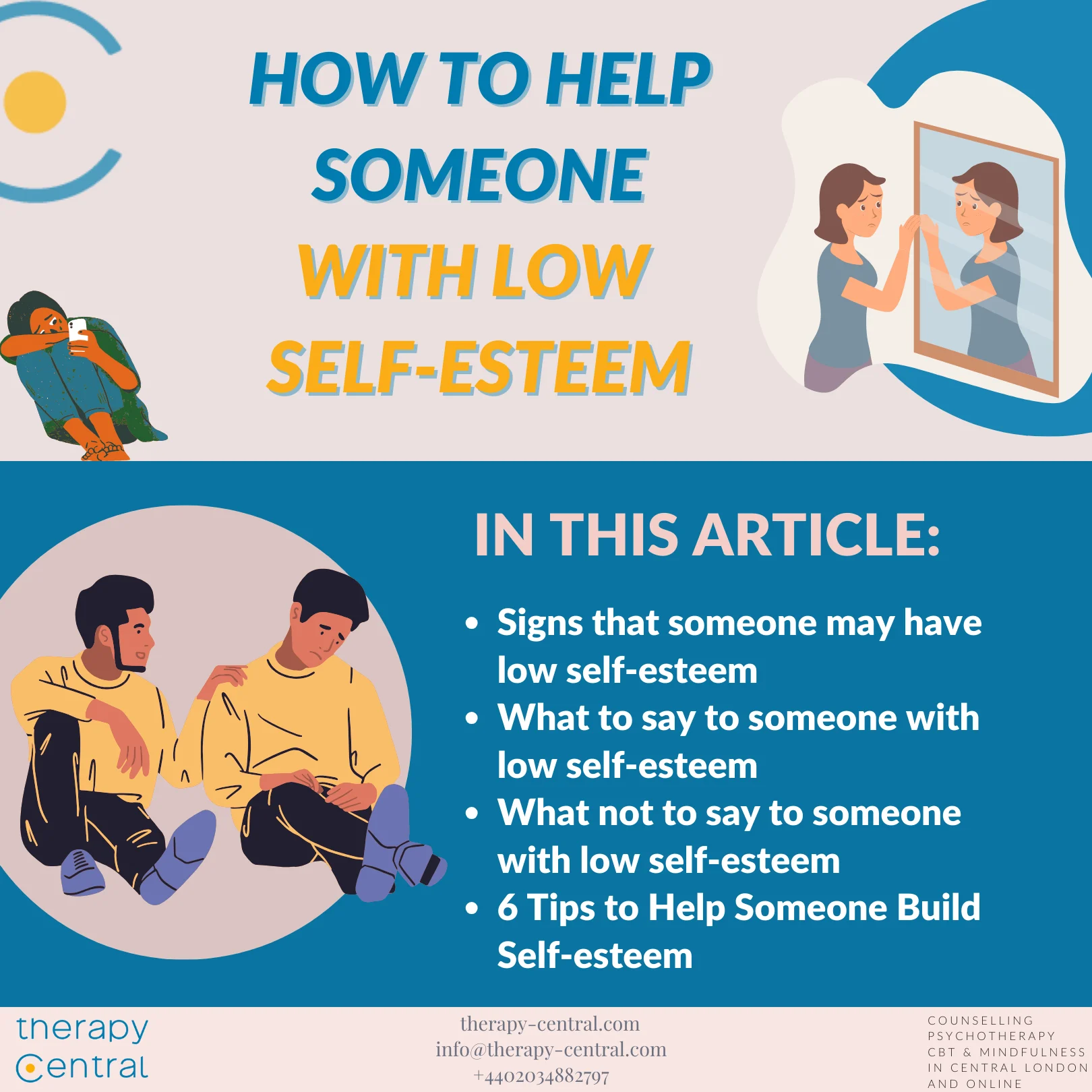

A self-esteem forum community is an online peer-support space where people discuss low self-esteem, self-worth, and social anxiety. It is not therapy; a good forum has clear rules, visible moderation, and privacy settings. If low mood lasts for weeks, contact a licensed professional; in the U.S., the 988 Lifeline is available by call or text.
- What a Self-Esteem Forum Community Is
- Types of Self-Esteem Support Communities
- How to Find and Join a Self-Esteem Support Forum
- Self-Esteem Forum Rules and Red Flags
- Self-Esteem, Social Anxiety, and When a Forum Is Not Enough
- Is a Self-Esteem Forum Right for You? Quick Checklist
- Frequently Asked Questions
- Sources
What a Self-Esteem Forum Community Is
A self-esteem forum community is an online space where peers discuss self-worth, self-doubt, and the daily effort to treat themselves with more fairness. According to the American Psychological Association, self-esteem is a person’s overall sense of self-worth; it differs from confidence, which is tied to a specific skill or task. That distinction explains why a forum can help: members talk about patterns of self-evaluation, not just performance at work or school.
A forum offers peer support, not treatment. Members share experiences with negative self-talk and setbacks, but they do not give clinical advice. Knowing what self-esteem is helps visitors use the space realistically: the aim is reflection and mutual support, not diagnosis.
Because forums are text-based and asynchronous, people can read threads before deciding whether to post. That pacing often suits readers who feel anxious about live conversation. In a healthy community, early threads describe common experiences rather than offer instructions or quick solutions. If distress lasts for weeks, the next step is professional support.
Types of Self-Esteem Support Communities
Self-esteem support communities differ mainly by who leads the conversation and how much privacy they offer. Mental Health America notes that peer support can be “an important addition to the help you receive from professional mental health providers.” NAMI separates peer-led groups from groups led by a mental health professional, with clearer structure in professionally led settings.
| Community type | Who leads | Moderation | Privacy | Main risk |
|---|---|---|---|---|
| Moderated peer forum | Trained peer moderators or site administrators | Usually written rules and active review | Nickname-based accounts common | Unverified members can still join |
| Online support group | Peers or a trained facilitator | Varies by group | Registration often required | Quality depends on the facilitator |
| Therapist-led group | Licensed mental health professional | High; clinical boundaries apply | Higher; confidentiality norms exist | Fee, waitlist, or limited availability |
| Social media community | Members and platform algorithms | Limited or uneven | Public by default on many platforms | Public posts and social comparison |
Moderated peer forums are often the closest match to the term “self-esteem forum community.” They balance structure and anonymity, but they still depend on volunteers and written policies. Social media communities are easy to find and often free, but their public nature can expose participants to comparison and unsolicited comments.
How to Find and Join a Self-Esteem Support Forum
Joining usually means finding a moderated community, reading its rules, and creating an account that does not reveal identifying details.
- Start with mental health directories rather than search ads, such as communities linked from Mental Health America, NAMI, or a university counseling center.
- Read the rules and moderation page before registering. Check whether posts are reviewed and how conflict is handled.
- Check privacy settings. Use a nickname; avoid your full name, workplace, school, exact location, and identifying photos.
- Register with minimal personal information. If a form asks for more than a username and password, stop and read the privacy policy.
- Introduce yourself in general terms. Share what brings you to the community, not details that could identify you or build a personal profile.
- Observe before posting deeply. Spend a day or two reading threads to judge tone, responsiveness, and whether rule-breaking is removed.
People managing the effects of low self-esteem may find that a quiet, moderated space makes participation feel safer. An anonymous nickname allows honest discussion without putting your job, studies, or relationships at risk. Moderation is the strongest signal of a healthy space; it means someone is actively enforcing the rules rather than leaving members to manage abuse alone. Finally, join only one or two communities at first. Too many parallel conversations can deepen rumination instead of reducing it.
If a thread makes you feel worse, step away rather than replying in the moment. Taking notes about what helps and what worsens your mood can make the first weeks more useful. If the registration process feels rushed or pushy, that is enough reason to choose another forum.
Self-Esteem Forum Rules and Red Flags
Healthy self-esteem forums tend to publish similar rules: no harassment, no threats of self-harm in open threads, no medical advice, and no sharing of private contact details. These categories appear because text-only communities need explicit boundaries to stay safe.
- Be respectful even when you disagree.
- No medical or diagnostic advice.
- No harassment, slurs, or threats.
- No posting private contact details or identifying photos.
- Report rule-breaking instead of engaging.
Rules alone do not make a community safe; enforcement is what matters. Common red flags include:
- Moderators are absent, anonymous, or never intervene.
- No written rules or privacy policy exists.
- Users push paid programs, “exclusive” coaching, or promises of fast change.
- Registration demands personal details beyond a username and password.
- Members pressure new users to share painful history quickly.
- No links to crisis resources.
Red-flag behavior often appears in loosely managed social spaces; the relationship between social media and self-esteem can be complicated. Remember that a forum is not an emergency service. In the United States, the 988 Suicide & Crisis Lifeline is available by call or text, as described by SAMHSA. If you see several of these signs, leave and look for a community with clearer structure. Moderators cannot read every private message, so personal boundaries remain your own responsibility. In a public thread, share only what you would be comfortable having quoted elsewhere.
Peer support helps many people with self-doubt, but it is not a substitute for treatment when social anxiety is persistent or disabling. The National Institute of Mental Health estimates that 7.1% of U.S. adults had social anxiety disorder in the past year, and 12.1% experience it at some point in life. The condition is more than shyness: it involves fear of social or performance situations and can interfere with work, school, and relationships.
Forums can reduce isolation because the conversation is slower and less exposed than in-person groups. A text thread cannot assess symptoms, provide diagnosis, or respond quickly in a crisis. If fear of social situations lasts for weeks or keeps you from daily activities, a licensed mental health professional can evaluate what is happening.
For people whose self-doubt is mild, practical ways to improve self-esteem may be a useful companion to peer support. Forums also vary in how well they handle intense discussions. Some close threads that become too heavy and point users to professional resources. Other communities may allow detailed crisis talk, which can be overwhelming for peers without clinical training. Ask moderators how they handle high-risk content before you rely on the space for serious concerns.
Is a Self-Esteem Forum Right for You? Quick Checklist
A self-esteem forum is usually a good fit if you want shared experience and written reflection; it is probably not enough if you need diagnosis, immediate help, or structured treatment. This checklist is a way to think through fit before joining, not a diagnosis.
A forum may help if:
- You want to hear from people with similar experiences.
- You prefer text-based, asynchronous conversation.
- You can keep personal details private.
- You understand peer support is not therapy.
Look for professional support instead, or in addition, if:
- Low mood lasts for weeks without improvement.
- You avoid work, school, or social contact.
- You have thoughts of self-harm.
- Group discussion makes you feel worse rather than less alone.
Both paths can overlap. Many people use a moderated forum between appointments or after therapy to maintain daily connection. Use that observation, not the forum’s promises, to decide whether to stay.
If you are in crisis or having thoughts of self-harm, call or text 988 (U.S.) or contact a licensed mental health professional.
Frequently Asked Questions
How do I join a self-esteem support forum?
Search for moderated communities, read the rules, register with a nickname, and introduce yourself without sharing identifying details.
Are self-esteem forums safe?
They can be; look for moderation, clear rules, privacy options, and no pressure to share personal details.
Can a self-esteem forum replace therapy?
No; peer support is not treatment, and persistent low mood should be evaluated by a licensed mental health professional.
What should I look for in a self-esteem forum?
Active moderation, written rules, privacy settings, respectful tone, and links to crisis resources.
Are there free self-esteem forums?
Many peer-support communities are free; avoid sites that push paid programs or claim to fix self-esteem quickly.
Sources
- American Psychological Association, “Self-Esteem”
- Mental Health America, “Finding Help”
- NAMI, “Support Groups”
- National Institute of Mental Health, “Social Anxiety Disorder”
- SAMHSA, “988 Suicide & Crisis Lifeline”
Keep reading