1 year ago · Updated 1 year ago
Introduction
Self-esteem is more than just a buzzword. It is the foundation of how we perceive ourselves, interact with others, and respond to life’s challenges. Psychologists, sociologists, and educators all agree that self-esteem plays a crucial role in mental health, relationships, and personal growth. But what is self-esteem, and why does it matter so much?
This article explores the concept of self-esteem from psychological and sociological perspectives, its origins, types, and the ways it shapes our everyday experiences.
Defining Self-Esteem
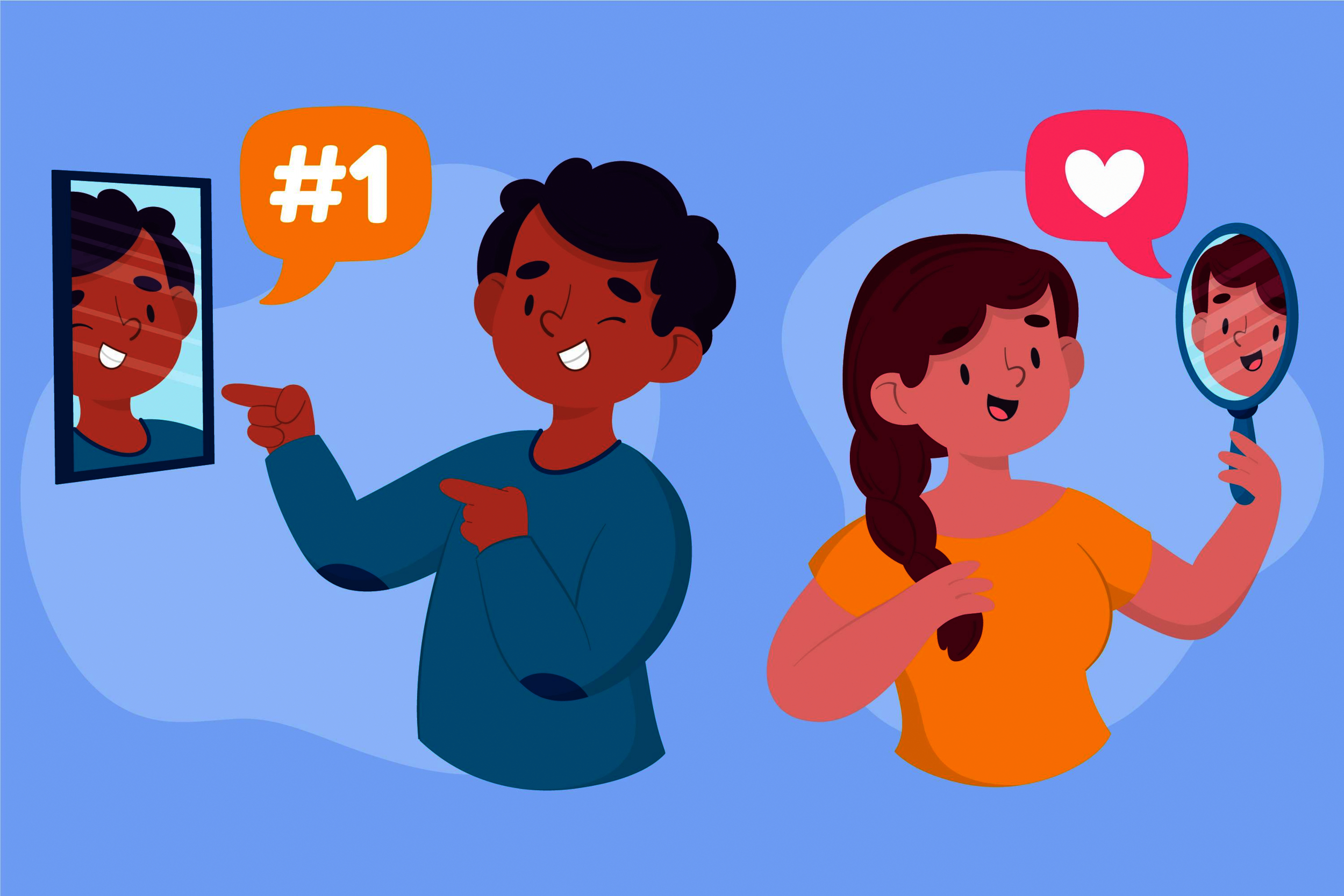
At its core, self-esteem refers to the overall sense of self-worth or personal value. It reflects how we evaluate ourselves—whether positively or negatively—and it influences our thoughts, emotions, and behaviors.
Different experts offer varied definitions:
- Psychological perspective: Psychologist Nathaniel Branden, known as the father of the self-esteem movement, described it as “the disposition to experience oneself as competent to cope with the basic challenges of life and as worthy of happiness.”
- Sociological perspective: Sociologists emphasize that self-esteem is also shaped by social structures, cultural norms, and the feedback we receive from others.
In simple terms, self-esteem is how much you like, accept, and respect yourself.
Types of Self-Esteem
1. High Self-Esteem
People with high self-esteem generally:
- Believe in their abilities.
- Handle criticism without losing confidence.
- Build healthy relationships.
- See challenges as opportunities rather than threats.
However, excessively high self-esteem (often tied to narcissism) can lead to arrogance and difficulty accepting feedback.
2. Low Self-Esteem
Low self-esteem often manifests as:
- Constant self-doubt.
- Fear of failure and rejection.
- Sensitivity to criticism.
- Negative self-talk and lack of motivation.
Chronic low self-esteem is strongly linked to anxiety, depression, and social withdrawal.
3. Healthy Self-Esteem
The ideal balance lies in healthy self-esteem, where individuals:
- Recognize their strengths and weaknesses realistically.
- Accept themselves without conditions.
- Feel worthy regardless of external validation.
Theories of Self-Esteem
Several theories explain how self-esteem develops and functions:
- Maslow’s Hierarchy of Needs: Self-esteem is positioned above belonging and just below self-actualization. Once basic needs are met, humans naturally seek respect, recognition, and self-worth.
- Carl Rogers’ Humanistic Approach: Rogers highlighted unconditional positive regard. According to him, when people feel accepted without conditions, they develop healthier self-esteem.
- Social Comparison Theory (Festinger): People evaluate themselves by comparing with others, which can raise or lower self-esteem depending on the context.
Factors That Influence Self-Esteem
- Family environment: Supportive, loving parents tend to foster higher self-esteem in children.
- Peer relationships: Friendships and social acceptance influence confidence, especially during adolescence.
- Culture and society: Beauty standards, gender roles, and media can either uplift or harm self-esteem.
- Achievements and failures: Success can boost self-esteem, while repeated setbacks may reduce it.
- Mental health: Depression, anxiety, or trauma often lower self-esteem, creating a cycle that is hard to break.

Why Self-Esteem Matters
- Mental health: Healthy self-esteem protects against depression and anxiety.
- Resilience: People with strong self-esteem cope better with stress and adversity.
- Relationships: Confidence improves communication and boundaries.
- Performance: In school, work, or creative pursuits, self-esteem impacts motivation and persistence.
In short, self-esteem is a predictor of well-being and success across multiple areas of life.
Building and Nurturing Self-Esteem
Improving self-esteem is a gradual process that requires self-awareness and practice. Strategies include:
- Practice self-compassion: Replace harsh self-criticism with kindness.
- Challenge negative thoughts: Cognitive behavioral techniques help reframe destructive thinking.
- Set realistic goals: Achievable milestones build a sense of competence.
- Surround yourself with support: Healthy relationships reinforce self-worth.
- Limit social comparison: Focus on personal growth instead of competing with others.
- Celebrate small wins: Recognize progress, not just perfection.
Common Myths About Self-Esteem
- Myth 1: High self-esteem means never feeling insecure.
→ Even confident people experience doubt. The difference is they don’t let it define them. - Myth 2: Self-esteem is fixed.
→ In reality, it evolves throughout life and can be improved with intentional effort. - Myth 3: Self-esteem equals success.
→ Success may boost confidence, but true self-esteem comes from inner acceptance.
Conclusion
Self-esteem is not just a psychological concept; it is a lifelong journey of self-acceptance and resilience. Understanding what self-esteem is, the factors that shape it, and how to nurture it can lead to healthier relationships, improved mental health, and a more fulfilling life.
FAQs About Self-Esteem
1. What is self-esteem in simple words?
Self-esteem is how much you like and value yourself.
2. Can self-esteem change over time?
Yes. Life experiences, relationships, and personal growth all influence self-esteem levels.
3. What causes low self-esteem?
Causes include childhood experiences, trauma, negative social comparisons, or mental health struggles.
4. How can I quickly boost my self-esteem?
Start with small acts of self-care, positive affirmations, and celebrating daily achievements.
5. Is self-esteem the same as confidence?
They are related but different. Self-esteem is your overall sense of self-worth, while confidence is belief in your abilities in specific situations.