How to Improve Self-Esteem: 10 Strategies Backed by Science
Introduction
Self-esteem is not fixed—it can be nurtured, developed, and strengthened at any stage of life. While early experiences shape our foundation of self-worth, research shows that intentional practices, therapy, and supportive environments can significantly improve self esteem.
This page offers a comprehensive guide on how to improve self-esteem, combining psychological insights, practical exercises, and evidence-based strategies.
Understanding the Foundations of Self-Esteem
Before working on improvement, it’s important to understand the roots of self esteem.
- Thought patterns → Negative self-talk often undermines confidence.
- Social comparisons → Constantly measuring yourself against others reduces self-worth.
- Past experiences → Criticism, neglect, or trauma may create lasting self-doubt.
- Core beliefs → Deep-seated assumptions about worthiness guide behavior and self-perception.
Improvement begins with awareness of these influences.
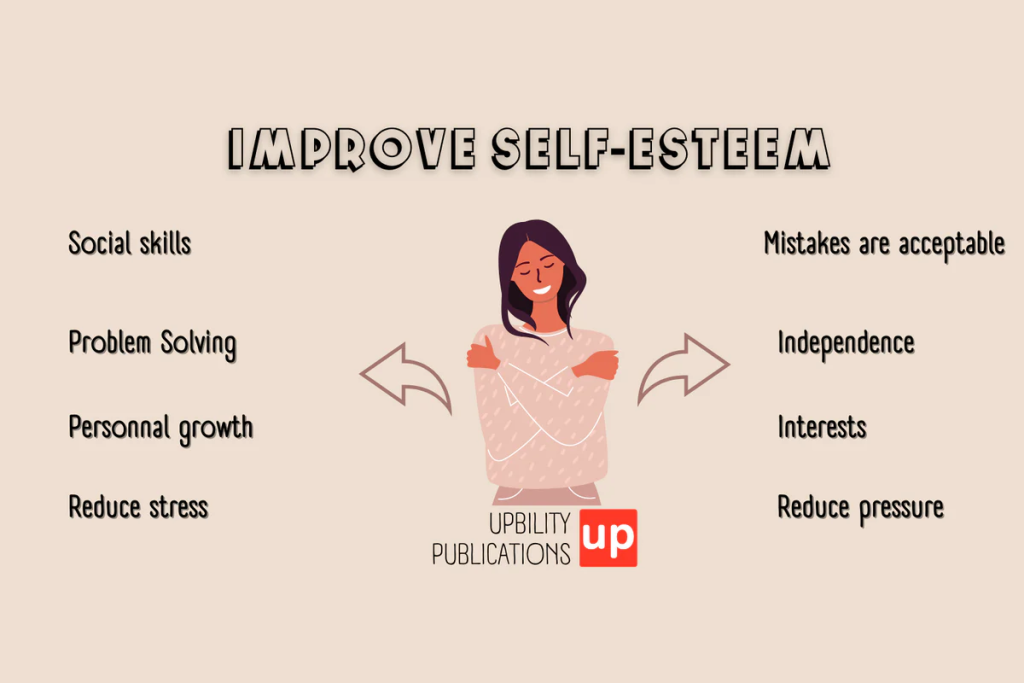
Evidence-Based Strategies to Improve Self-Esteem
1. Challenge Negative Self-Talk
Cognitive Behavioral Therapy (CBT) has shown that reframing unhelpful thoughts is one of the most effective ways to improve self-esteem.
- Notice automatic negative thoughts (e.g., “I always fail”).
- Replace them with balanced statements (e.g., “I didn’t succeed this time, but I can try again”).
- Keep a thought journal to track progress.
2. Practice Self-Compassion
According to Dr. Kristin Neff’s research, self-compassion—being kind to yourself in moments of struggle—strongly correlates with higher self esteem and lower anxiety.
- Treat yourself as you would a close friend.
- Recognize that imperfection is part of being human.
- Use compassionate self-talk instead of harsh criticism.
3. Set Realistic Goals
Unrealistic expectations can lead to feelings of failure. Setting achievable goals creates a cycle of accomplishment that boosts confidence.
- Break big tasks into smaller steps.
- Celebrate progress, not just outcomes.
- Focus on effort and growth rather than perfection.
4. Build Healthy Relationships
Social support is essential for developing self-worth.
- Spend time with people who uplift you.
- Limit exposure to toxic or overly critical individuals.
- Practice setting boundaries to protect emotional energy.
5. Focus on Strengths and Achievements
Positive psychology emphasizes building on strengths rather than obsessing over weaknesses.
- Make a list of skills, qualities, and past achievements.
- Revisit it whenever self-doubt arises.
- Engage in activities that highlight your natural talents.
6. Cultivate Daily Habits That Reinforce Self-Esteem
Consistency is key to long-term change. Simple daily practices can make a big difference:
- Gratitude journaling → Write down 3 things you value about yourself.
- Affirmations → Repeat constructive, realistic statements like “I am learning and growing every day.”
- Physical activity → Exercise improves mood, body image, and self-confidence.
- Mindfulness or meditation → Reduces rumination and increases self-acceptance.
For more, see our page: Daily Habits to Boost Self Esteem.
7. Seek Professional Support
Therapists, counselors, and coaches provide tools and guidance for deeper work.
- Cognitive Behavioral Therapy (CBT) → Restructures harmful thought patterns.
- Acceptance and Commitment Therapy (ACT) → Encourages value-driven living.
- Group therapy → Builds a sense of connection and shared experience.
8. Reduce Harmful Comparisons (Especially Online)
Social media often creates unrealistic standards that erode self esteem.
- Curate your online environment—follow accounts that inspire rather than discourage.
- Limit screen time if scrolling leads to negative emotions.
- Remind yourself that online personas rarely reflect reality.
9. Learn to Accept Compliments
Many people with low self-esteem reject compliments. Accepting them graciously reinforces positive feedback loops.
- Instead of deflecting, simply say “thank you.”
- Keep a record of compliments and revisit them in moments of doubt.
10. Embrace Growth, Not Perfection
Self-esteem improves when individuals recognize themselves as works in progress.
- Focus on continuous learning.
- Allow room for mistakes without harsh judgment.
- Celebrate resilience as much as success.
Common Obstacles in Improving Self-Esteem
While the journey is rewarding, challenges are normal:
- Relapse into old thinking patterns → Progress isn’t always linear.
- External pressure and criticism → Other people’s opinions can still affect you.
- Impatience → Building self esteem takes time and consistent practice.
Recognizing these obstacles helps maintain long-term motivation.
Scientific Insights: What Research Says
- Studies show that self-esteem interventions in schools improve academic motivation and reduce dropout rates.
- Longitudinal research indicates that self esteem strongly predicts life satisfaction, even decades later.
- Neuropsychology suggests that practicing self-affirmations activates brain regions associated with reward and positive valuation.
In short: working on self-esteem is not just motivational advice—it’s supported by scientific evidence.
FAQs: How to Improve Self-Esteem
1. Can self esteem really be changed?
Yes. Although influenced by early experiences, self-esteem is flexible and can be improved through intentional practices and therapy.
2. What daily habits help boost self-esteem?
Gratitude journaling, affirmations, exercise, and mindfulness are all effective.
3. Does social media affect self-esteem?
Yes, excessive comparisons on social media often lower self-esteem. Healthy boundaries and mindful use can reduce the impact.
4. What type of therapy helps most with self-esteem?
Cognitive Behavioral Therapy (CBT) and Acceptance and Commitment Therapy (ACT) are among the most effective.
5. How long does it take to improve self-esteem?
It varies. With consistent effort, many people notice positive changes within weeks or months.